
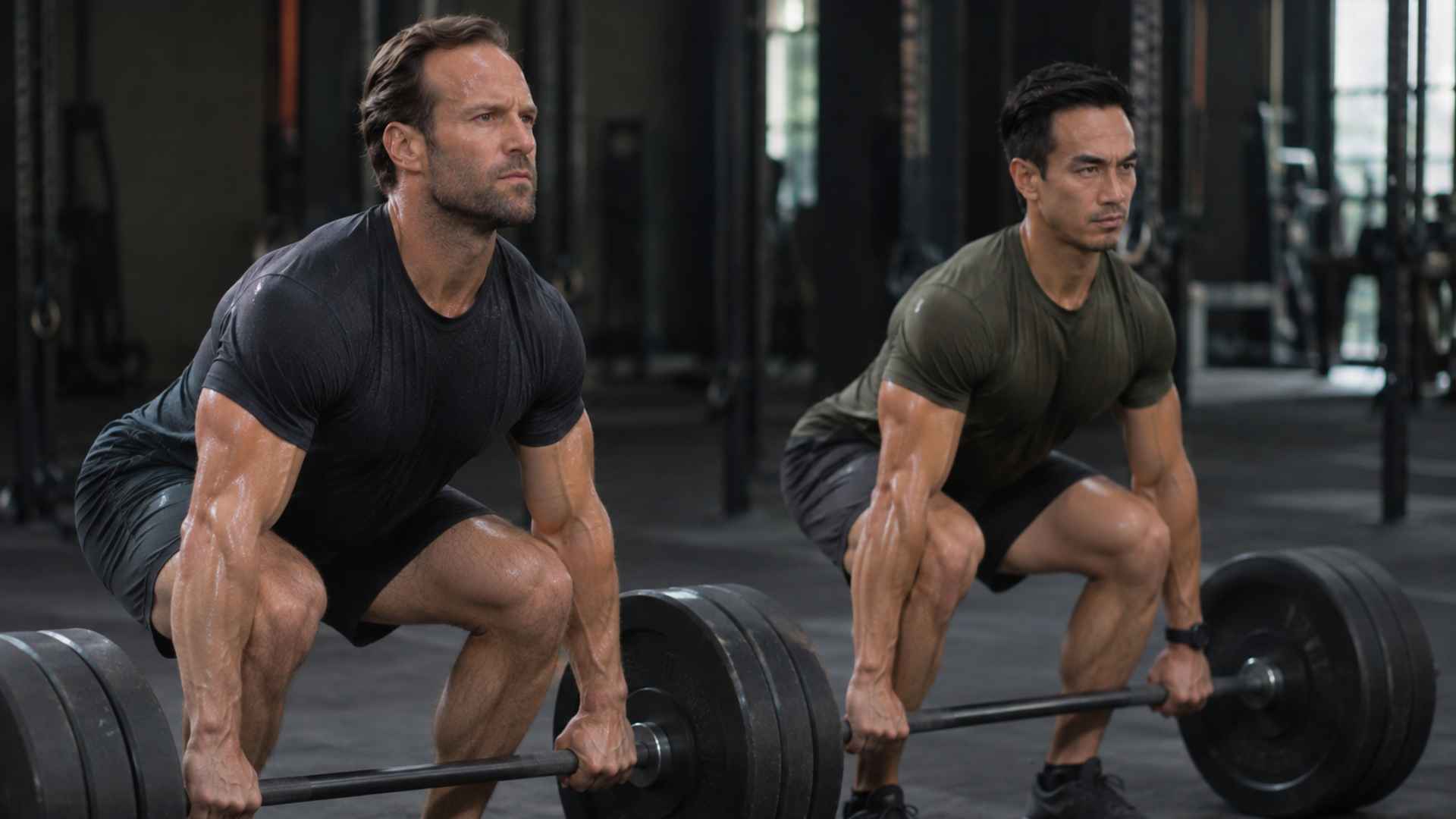
Functional fitness competitions test more than the ability to lift heavy weights or complete large numbers of repetitions. Athletes must combine strength, cardiovascular endurance, body control, and technical precision while moving through different exercises. A workout may shift from a barbell movement to gymnastics or jumping within minutes. Those transitions make movement quality particularly important because poor positioning can reduce efficiency, even when an athlete has sufficient strength to finish the prescribed work. In mixed modality events, a clean repetition is more valuable than a faster attempt that fails judging.
Competition performance also depends on clearly defined repetition standards. Squats may require the hip crease to pass below the top of the knee, while overhead movements often require fully extended arms, hips, and knees at the finish. Exact rules vary by event and division. Athletes who practice only for speed can develop habits that result in rejected repetitions, commonly called no reps, when a judge applies the published movement criteria.
Research supports a structured approach to physical preparation. A 2026 American College of Sports Medicine position stand synthesized 137 systematic reviews involving more than 30,000 participants. It found that resistance training improves muscle strength, size, power, endurance, and several measures of physical function compared with no training. These findings support strength work as part of functional fitness preparation, although competition performance also depends on skill, pacing, and the demands of each workout.
Movement Quality Under Competition Fatigue
Fatigue can change an athlete’s movement strategy. During repeated squats, a shorter descent may feel easier, but it can breach a required depth standard. During overhead lifts, an athlete may press before completing a strong leg drive, making the movement less efficient. Rather than treating every repetition as a race, athletes benefit from consistent starting positions, predictable movement paths, and deliberate breathing between demanding sets. Consistent mechanics also make it easier to compare performance across sessions and adjust training variables accurately.
Movement standards are also distinct from general exercise technique. Technique describes the mechanical approach used to execute a movement; standards identify the specific positions or actions required for a repetition to count. Both matter, but one does not automatically guarantee the other. An athlete can complete a technically controlled movement and still miss a target or required range of motion. Competition practice should therefore include technical feedback and rehearsal under the actual event rules.
Strength and Control Across Major Movement Patterns
Squatting, hinging, pushing, pulling, carrying, and locomotion form a practical basis for functional fitness exercise selection. Squats and lunges emphasize lower body force production and control, while deadlifts train hip extension under load. Pull ups and toes to bar demand grip strength and coordinated trunk movement. Running, rowing, and cycling add aerobic demands. Combining these categories allows workouts to test different physical capacities without assuming that proficiency in one exercise guarantees proficiency in another.
Barbell Thrusters
Thrusters combine a front squat with an overhead press in one continuous repetition. The bar rests in the front rack position as the athlete descends, keeping the torso stable and knees generally aligned with the direction of the toes. From the bottom, hip and knee extension drives the bar upward before the arms finish the press. Competition standards commonly require sufficient squat depth and full overhead lockout. Practicing a smooth transition from leg drive to pressing can reduce unnecessary pauses between phases.
Toes to Bar
Toes to bar requires an athlete to hang from a pull up bar and raise both feet to touch it, according to the applicable event standard. A controlled swing can help coordinate the shoulders, trunk, and hips during consecutive repetitions. Excessive momentum, however, may make the next repetition harder to organize. Grip endurance is often a limiting factor in longer sets. Athletes can develop the movement with hanging knee raises, controlled leg raises, and smaller sets before attempting sustained competition paced repetitions.
Burpee Box Jump Overs
Burpee box jump overs combine a floor based burpee with travel over a raised box. They require repeated transitions between horizontal and upright positions, followed by a jump and controlled landing. Event rules determine details such as chest contact, takeoff, foot placement, and whether stepping is permitted. Athletes should read those specifications rather than assume that every competition uses identical standards. During practice, maintaining a repeatable approach to the box and managing effort can be more reliable than sprinting the opening repetitions.
Practice Structure and Measurable Progress
Effective preparation separates skill practice from high intensity conditioning. Technical work is easier to assess when performed before severe fatigue, especially for complex lifts and gymnastics. A session might begin with controlled repetitions at a manageable load, then progress to short sets that reproduce the movement requirements of a workout. This makes it possible to identify whether a missed repetition comes from insufficient strength, limited mobility, coordination, or an error in interpreting the rules.
Training load should reflect the desired adaptation. The 2026 American College of Sports Medicine review reported stronger strength gains with relatively heavy loads of at least 80% of one repetition maximum in the programs it analyzed. For power, moderate loads around 30% to 70% of one repetition maximum were associated with improvements. These figures describe research findings, not mandatory prescriptions for every athlete. Training history, exercise complexity, and technical consistency should shape the actual load used.
Progress can be monitored through repeatable measures rather than workout time alone. Useful records include load, completed valid repetitions, rest periods, movement consistency, and performance across repeated efforts. Video review or coach feedback may reveal depth, lockout, or timing errors that are difficult to notice during exertion. With appropriate recovery and gradual progression, athletes can develop stronger movement patterns while preparing for the varied physical demands and judging requirements of functional fitness competition. Technical reliability matters most when it remains intact as the work rate increases and fatigue accumulates.